why play therapy?
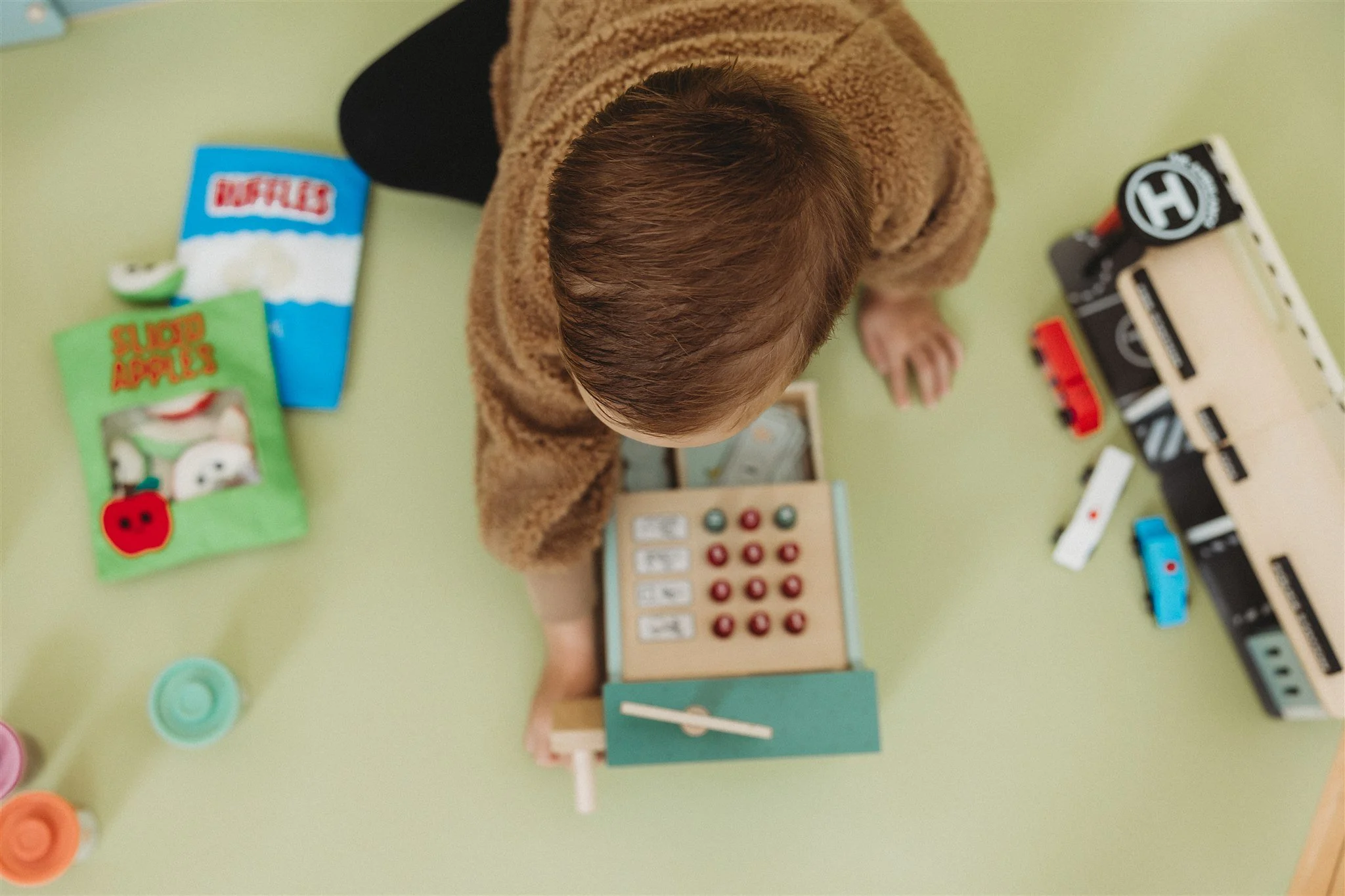
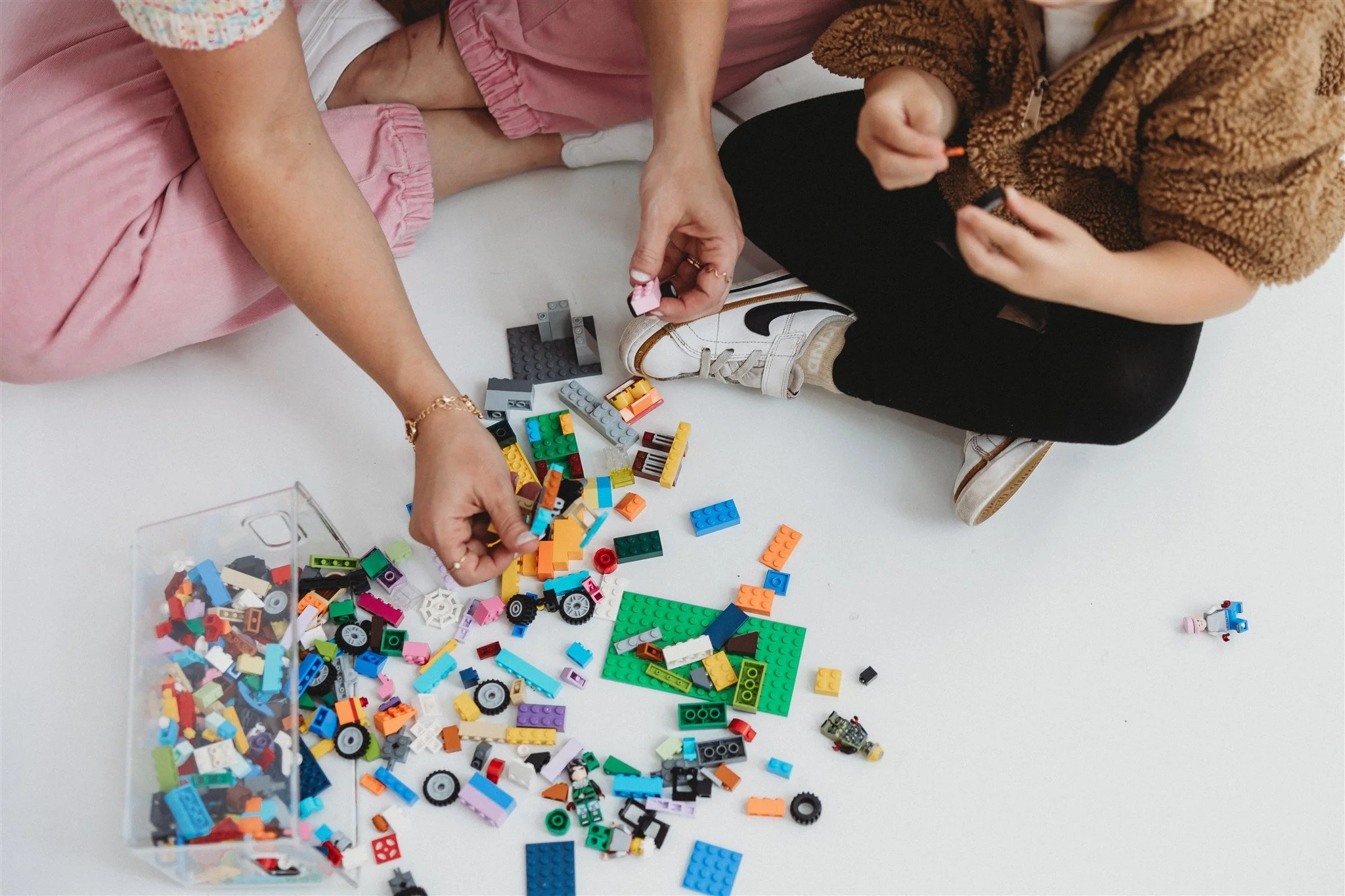
At Mood Haus Therapy, play therapy isn’t about compliance or trying to “fix” a child. Kids don’t need to be fixed, they need a safe, supportive space to express themselves, explore their feelings, and work through challenges at their own pace. Play is how children naturally communicate, understand their world, and process experiences. Through play, children can express emotions that might be too big or complicated for words, build coping skills, and develop confidence and resilience.
A Little Background on Play Therapy
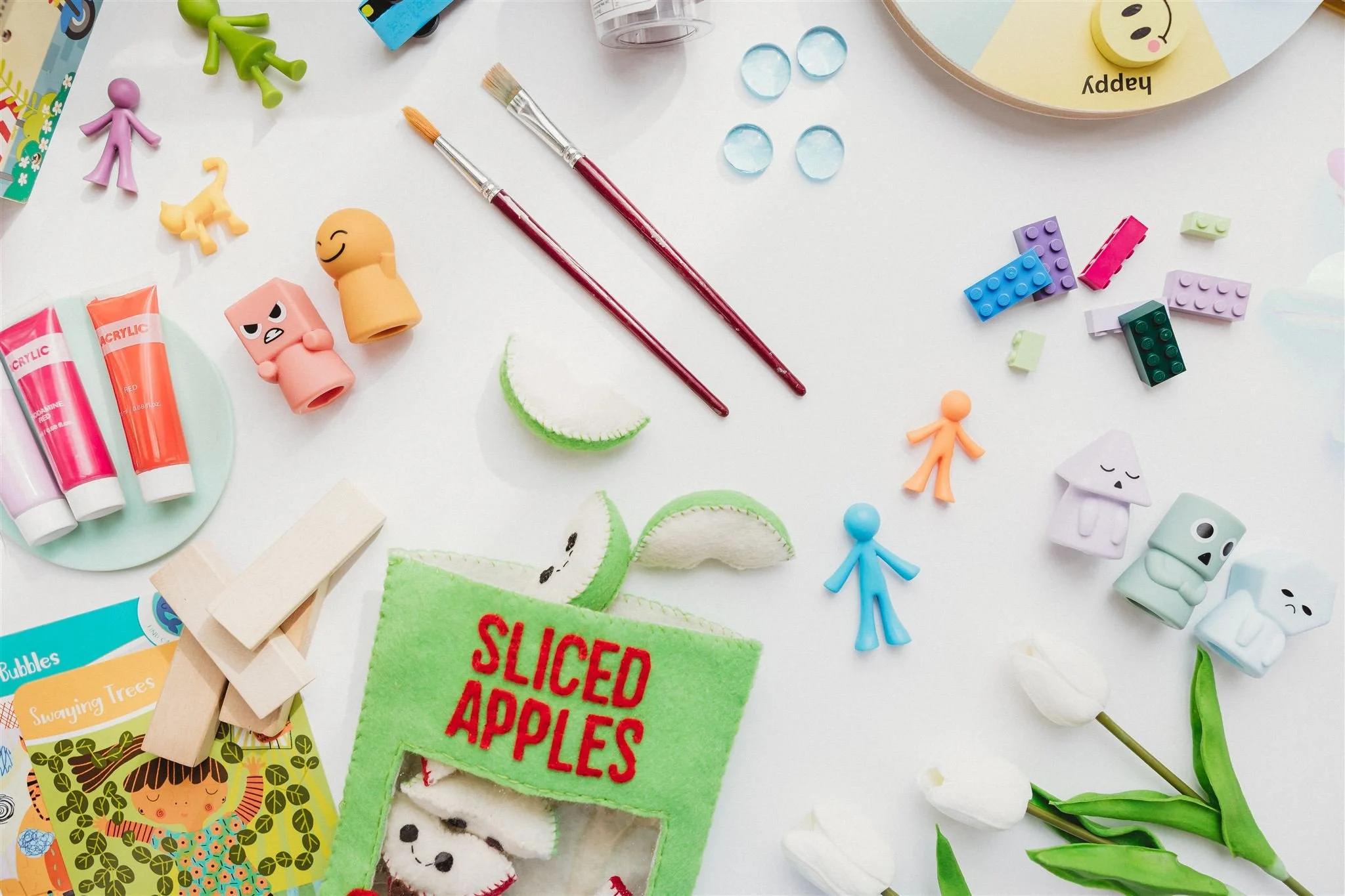
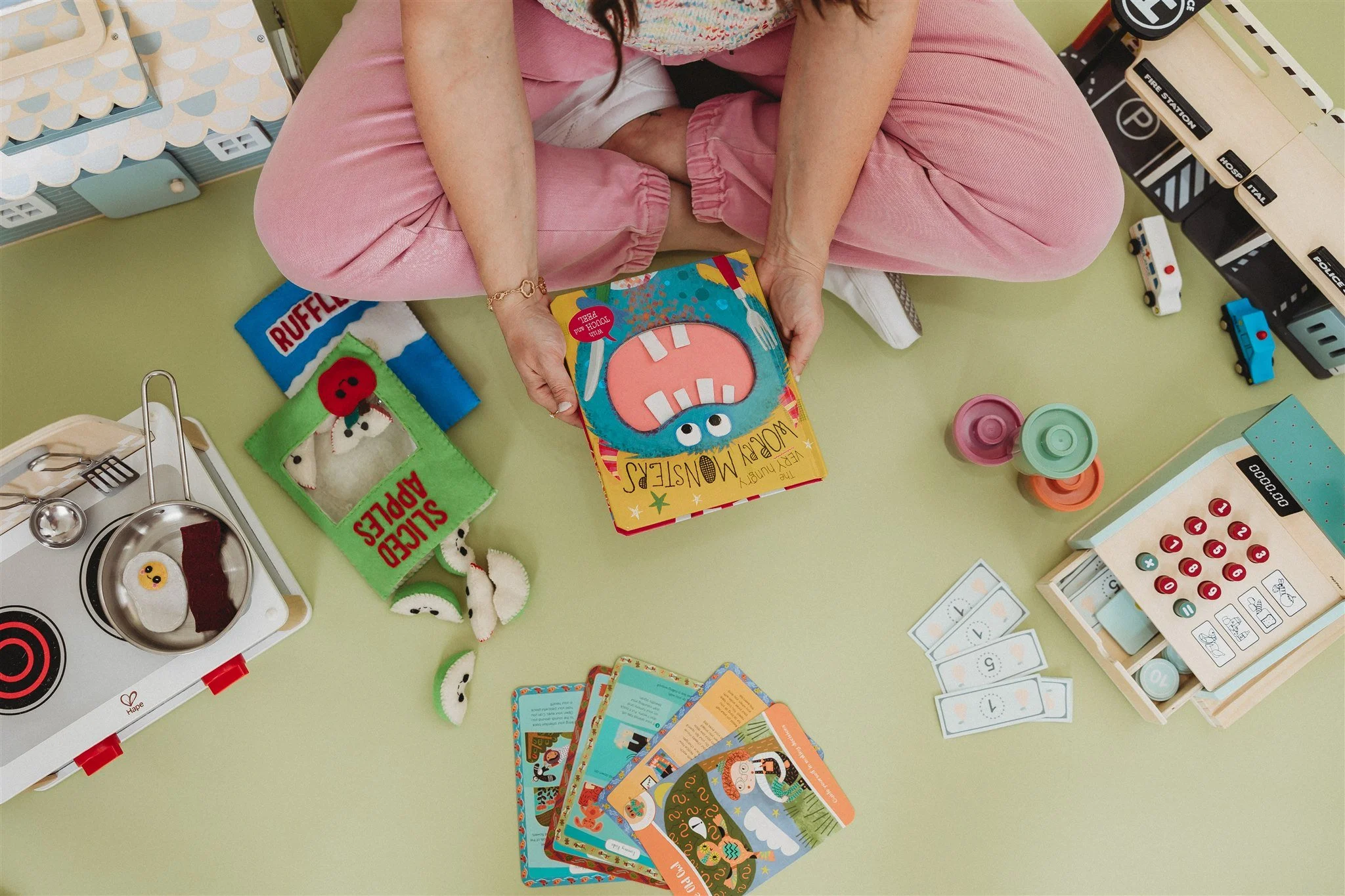
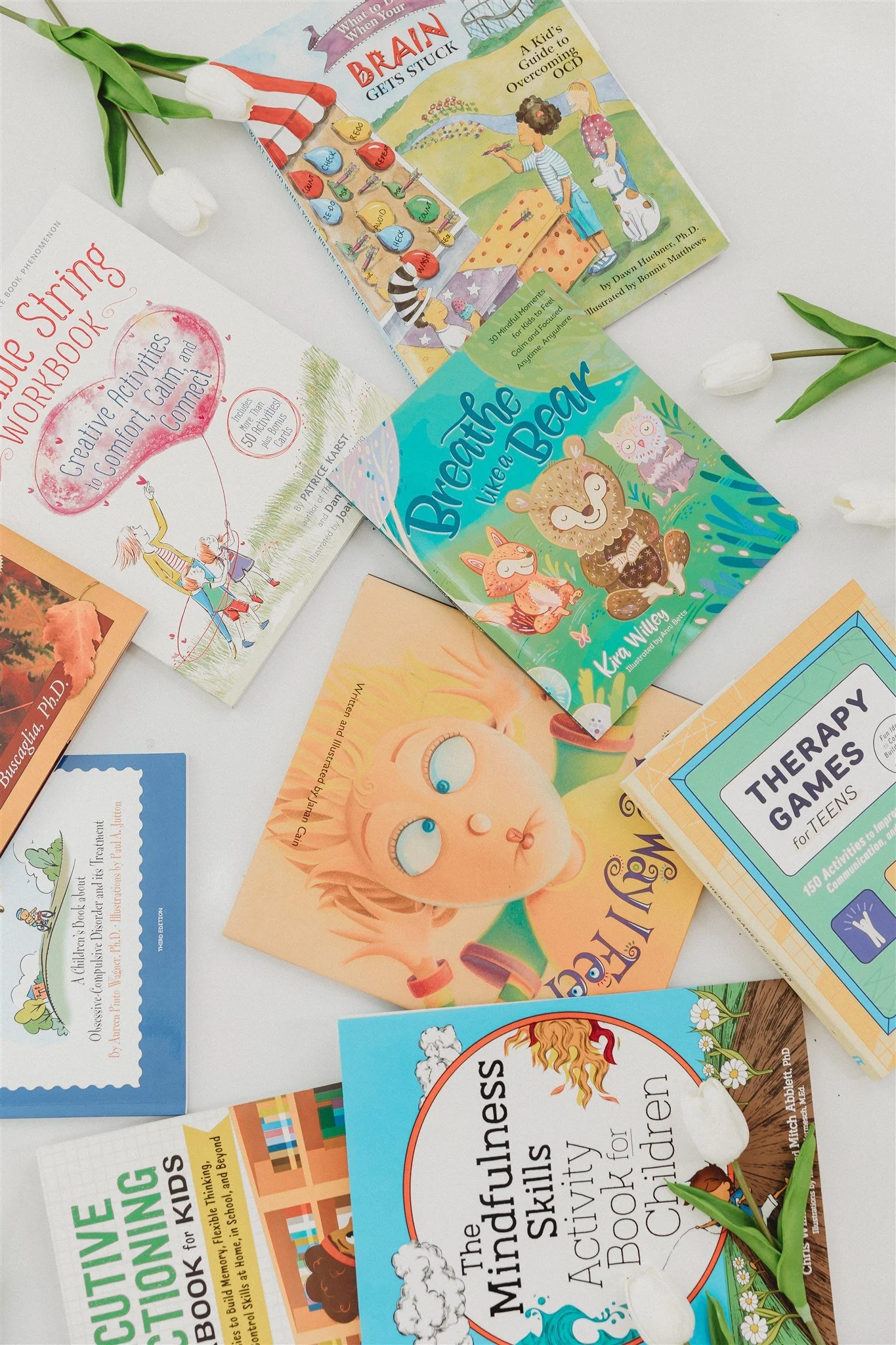
Play therapy is an evidence-based approach that uses creative, developmentally appropriate activities, like art, toys, storytelling, and games, to help children explore emotions, solve problems, and work through difficult experiences. It provides a safe space where children feel heard and understood, while therapists observe, guide, and support their growth.
Adlerian Play Therapy
Adlerian play therapy emphasizes understanding the child’s behavior in the context of their social world. A core focus is on helping children develop a sense of belonging, connection, and purpose. This is often framed through the “crucial c’s”- capable, count, courage, and connect. Through play, children can explore these areas safely, learning skills that promote resilience, self-understanding, and healthy social-emotional development.
Child-Centered Play Therapy
Child-centered play therapy is grounded in the belief that children have an innate capacity for growth when provided with empathy, understanding, and a safe environment. In this approach, the child leads the session, choosing how to play, express themselves, and explore their feelings. The therapist provides support, validation, and guidance, allowing the child to navigate challenges in their own way.
Blending Approaches for Each Child
Every child is unique, and there isn’t a one-size-fits-all approach to therapy. That’s why at Mood Haus Therapy, I blend therapy approaches to meet each child where they are. Some children benefit from more child-led exploration, while others benefit from gentle guidance toward understanding feelings, building confidence, and developing social skills.
By combining these approaches, therapy becomes flexible and personalized. I observe and respond to the child’s needs in the moment, using play to help them process emotions, practice new skills, and develop resilience. The goal is always to provide a safe, supportive space where children feel understood, empowered, and capable of navigating life’s challenges in their own way.
In short, play therapy is about giving children the tools, space, and guidance to understand themselves and the world around them, not about making them behave a certain way or meet adult expectations. It’s a process of empowerment, self-discovery, and healing, all through the natural language of play.